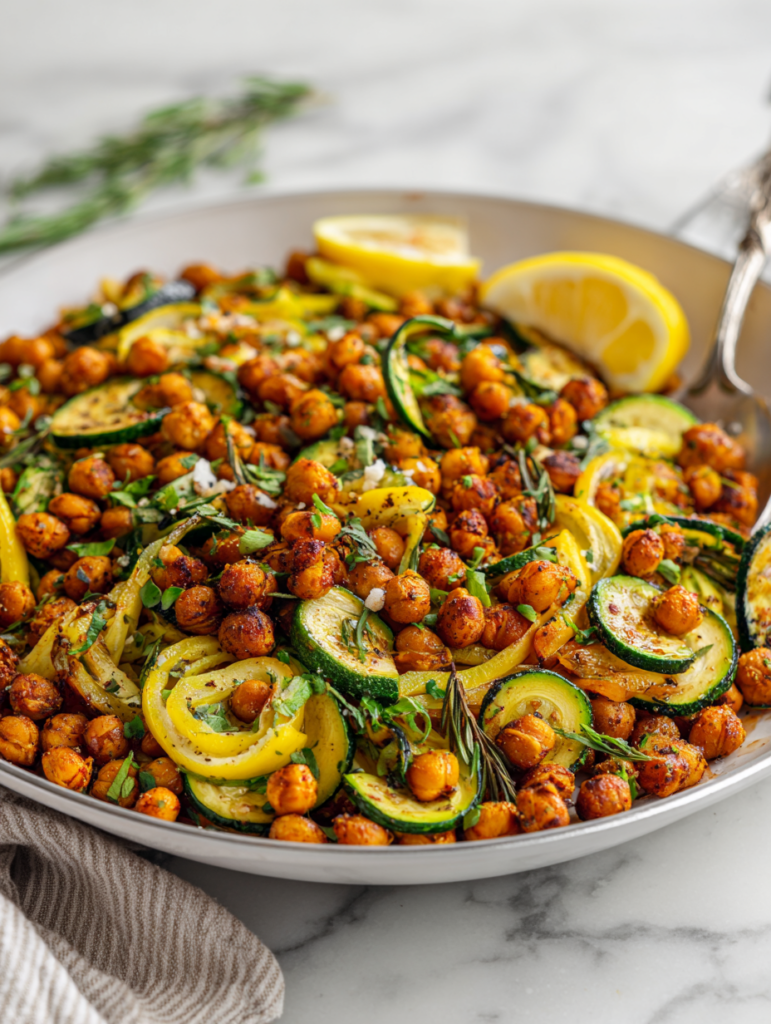
This chickpea zucchini skillet started as a way to use up what was left in my pantry and fridge on a busy weeknight. I love how it transforms humble ingredients into something vibrant and comforting, especially when fresh produce feels scarce or I’m short on time. It’s honest cooking, thrown together with a little bit of intuition and a lot of flavor.
The aroma of sizzling garlic and cumin, paired with the slight crunch of zucchini and tender chickpeas, makes this dish feel like a warm hug after a long day. It’s forgiving enough to swap ingredients, yet satisfying enough to stand on its own as a quick, wholesome meal. Honestly, it’s become a go-to when I want something quick but full of flavor and texture.
This recipe is inspired by the idea of using humble pantry staples to create something vibrant and satisfying, especially when fresh produce feels scarce. It’s about making a quick, nourishing meal that feels like a warm hug after a long day, using ingredients that often get overlooked. I love that it’s flexible, forgiving, and perfect for tossing together with whatever you have lingering in your fridge.
Using Pantry Staples Creatively
- This dish reminds me of lazy summer evenings, where zucchini and chickpeas felt like the simplest way to eat well.
- I get a little thrill every time I toss in fresh herbs at the end—such a burst of brightness in an everyday meal.
- Cooking this skillet feels like a tiny victory, turning pantry staples into something unexpectedly vibrant and satisfying.
- There’s comfort in knowing I can whip this up in under 30 minutes, and it’s always a hit with my family.
- Honestly, it’s one of those dishes that tastes better the next day—like a little secret waiting to be rediscovered.
The story behind this recipe
- This dish came together one rainy afternoon when I realized I had a can of chickpeas and a lonely zucchini sitting in the fridge. I wanted something easy, quick, but not boring—something that felt like a little bit of sunshine on an overcast day. The idea of tossing everything into a skillet, letting it sizzle and caramelize just enough, felt like the perfect way to lift my spirits.
- There’s a certain satisfaction in turning humble ingredients into something unexpectedly vibrant. It’s like a small victory, especially when I’m juggling a busy week and craving something wholesome without the fuss. Sometimes, these simple moments in the kitchen remind me that good food doesn’t have to be complicated—just honest, flavorful, and made with a bit of love.
- heading
- story_type
Historical Roots of the Dish
- This dish draws inspiration from Mediterranean peasant cooking, where simple, hearty ingredients are transformed with heat and a dash of love.
- Chickpeas and zucchini have been staples in Middle Eastern and Mediterranean kitchens for centuries, valued for their versatility and nourishing qualities.
- Using pantry staples like canned chickpeas and seasonal zucchini makes this recipe a modern nod to resourceful, humble cooking traditions.
Key ingredients and tips
- Canned chickpeas: I love the creamy, slightly nutty flavor, and they get even better when browned in the pan—try a splash of smoked paprika for extra depth. If you’re out, lentils work well as a substitute, but they won’t have the same fluffy texture.
- Zucchini: It offers a mild sweetness and a tender crunch when cooked just right, especially if you slice it thin. Skip zucchini if you dislike soft textures; in that case, eggplant can add a similar moisture without losing structure.
- Garlic: The aroma of sizzling garlic is my cue that flavor is building—don’t rush it, or it’ll turn bitter. Fresh is best, but roasted garlic adds a mellow sweetness if you want a softer note.
- Olive oil: I use a good drizzle to get that slightly smoky, fruity aroma when it hits the hot pan. If you don’t have olive oil, avocado oil gives a neutral, buttery finish. Avoid flavorsless oils—they dull the dish’s vibrancy.
- Spices (cumin, paprika): These bring warmth and a smoky undertone—toast them lightly in the pan first to release their aroma. If you’re out, a pinch of curry powder can add a different but equally inviting warmth.
- Fresh herbs (parsley or cilantro): I toss these in at the end for a bright, herbal finish, adding a burst of color and freshness. If unavailable, a squeeze of lemon juice can mimic that lively brightness.
- Lemon: Brightens everything with a zesty kick and cuts through the richness—try to add it last, right before serving. If lemon isn’t available, a splash of vinegar can give a similar tangy lift.
Spotlight on key ingredients
Chickpeas:
- Canned chickpeas: I love their creamy, nutty bite, and how they crisp up in the pan—try a sprinkle of smoked paprika for extra depth. If you don’t have them, lentils can be a quick substitute, but they won’t have the same fluffy texture.
- Zucchini: It offers a mild sweetness and a tender crunch when cooked just right, especially if sliced thin. If you dislike soft textures, eggplant can be a good alternative, adding moisture without losing structure.
Zucchini:
- Its subtle sweetness and slight crunch add a fresh, springy vibe. During cooking, it softens but keeps a bit of bite—perfect for balancing the heartiness of chickpeas. Slice it thin for quicker cooking and more even caramelization.
- ingredient
Notes for ingredient swaps
- Canned chickpeas: I love their creamy, nutty bite, but if you prefer, cooked lentils can work—just reduce cooking time. They won’t get as crispy, though.
- Zucchini: It adds a mild sweetness and tender bite. For a firmer texture, try yellow squash or eggplant, which caramelizes beautifully with less moisture.
- Garlic: The aroma of fresh garlic sizzling is unbeatable. If you’re out, roasted garlic lends a mellow, sweet depth—just add a little more for flavor.
- Olive oil: Use a fruity extra virgin for richness or swap with avocado oil for a neutral, buttery finish. Skip vegetable oil—it dulls the dish’s vibrancy.
- Spices (cumin, paprika): Toasting them really boosts aroma. If missing, curry powder adds a warm, spicy note, though it’s a different flavor profile.
- Fresh herbs (parsley, cilantro): Brighten the dish with herbs. If unavailable, a squeeze of lemon or lime can mimic that fresh, herbal pop.
- Lemon: Brightens everything with zest and juice. If absent, a splash of vinegar can add a similar tangy kick to balance the flavors.
Equipment & Tools
- Large skillet: Cook and caramelize ingredients evenly
- Spatula or wooden spoon: Stir and toss ingredients
- Sharp knife & cutting board: Prep zucchini and garlic
Step-by-step guide to skillet cooking
- Equipment & Tools: Gather a large skillet (preferably non-stick or cast iron) for even heat distribution, a spatula or wooden spoon for stirring, and a sharp knife with a cutting board for prep.
- Heat 2 tablespoons olive oil over medium heat (about 160°C / 320°F). Add 2 minced garlic cloves and cook until fragrant, about 30 seconds—be careful not to burn it, as burnt garlic turns bitter.
- Add 1 diced zucchini (about 2 cups) to the skillet. Cook, stirring occasionally, until it starts to soften and turn golden at the edges, around 5-7 minutes. If it begins to stick, add a splash more oil.
- Stir in 1 can (15 oz) drained and rinsed chickpeas. Cook for another 3-4 minutes, allowing them to brown slightly and absorb the flavors. They should be warm and slightly crispy on the edges.
- Sprinkle 1 teaspoon ground cumin and 1 teaspoon smoked paprika over the mixture. Toast the spices in the pan for about 30 seconds until aromatic, then stir well. If spices burn, remove from heat briefly.
- Adjust the heat to medium-low. Cook everything together for another 2 minutes, letting the flavors meld and the zucchini become tender but not mushy. The mixture should smell rich, with hints of garlic and spices.
- Finish with a squeeze of fresh lemon juice (about 1 tablespoon) and chopped herbs like parsley or cilantro. Toss briefly to combine and brighten the dish.
- Rest the skillet off the heat for 1-2 minutes. Serve hot, straight from the pan, with an extra sprinkle of herbs or a drizzle of olive oil if desired.
Let the skillet rest off heat for 1-2 minutes. Plate directly from the skillet, garnishing with extra herbs or a drizzle of olive oil for added flavor and presentation.
How to Know It’s Done
- The zucchini is tender and slightly caramelized around the edges.
- Chickpeas are golden and crispy, not mushy.
- The mixture emits a warm, spiced aroma with a hint of lemon brightness.
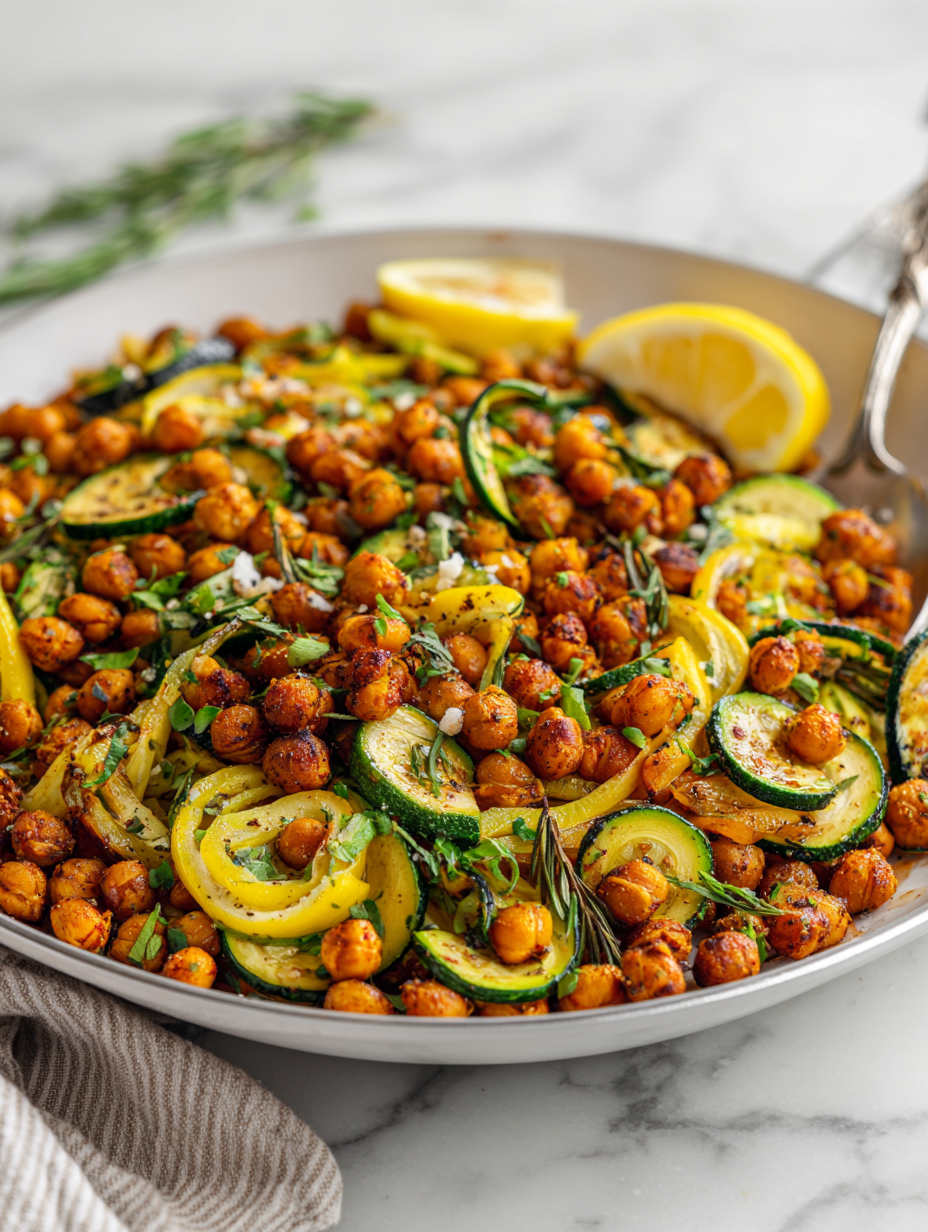
Chickpea Zucchini Skillet
Ingredients
Equipment
Method
- Heat 2 tablespoons of olive oil in a large skillet over medium heat until shimmering and fragrant.
- Add the minced garlic to the skillet and cook for about 30 seconds, until it becomes fragrant and slightly golden—avoid burning it to keep the aroma fresh.
- Stir in the sliced zucchini, spreading it out evenly in the pan. Cook for 5-7 minutes, stirring occasionally, until the zucchini softens slightly and begins to turn golden at the edges.
- Add the drained and rinsed chickpeas to the skillet. Cook for another 3-4 minutes, stirring occasionally, until they crisp up slightly and develop a warm, golden hue.
- Sprinkle the ground cumin and smoked paprika over the mixture. Toast the spices in the pan for about 30 seconds until aromatic, stirring constantly to prevent burning.
- Reduce the heat to medium-low and cook for another 2 minutes, allowing the flavors to meld and the zucchini to become tender but not mushy.
- Squeeze fresh lemon juice over the skillet and toss in chopped parsley or cilantro. Stir briefly to brighten the flavors and evenly distribute the herbs.
- Remove the skillet from heat and let it sit for a minute. Serve hot, garnished with extra herbs if desired, for a vibrant, textured, and flavorful meal.
Pro tips for perfect skillet
- Bolded Mini-Head: Use high heat to get that sizzling crackle—don’t be shy with your stove setting.
- Bolded Mini-Head: Toss the zucchini slices in a little salt before cooking—this helps draw out excess moisture and enhances flavor.
- Bolded Mini-Head: When browning chickpeas, resist the urge to stir too often—let them sit undisturbed for a crispy exterior.
- Bolded Mini-Head: Add garlic towards the end of cooking to prevent bitterness and preserve its fragrant, sharp aroma.
- Bolded Mini-Head: For extra smoky flavor, sprinkle a pinch of smoked paprika after toasting the spices in the pan.
- Bolded Mini-Head: If zucchini releases too much water, increase heat slightly to evaporate moisture quickly and keep everything vibrant.
- Bolded Mini-Head: Finish with a squeeze of lemon just before serving to brighten all those cozy, caramelized flavors.
Common mistakes and how to fix them
- FORGOT to preheat the skillet → Always heat pan before adding ingredients.
- DUMPED too much oil → Use just enough to lightly coat; excess makes the dish greasy.
- OVER-TORCHED garlic → Remove early if garlic starts to smell burnt; it turns bitter.
- SKIPPED resting time → Rest skillet 1-2 minutes for flavors to settle and meld.
Quick fixes and pantry swaps
- If the chickpeas stick, splash in a bit more oil and stir gently.
- When zucchini releases excess moisture, increase heat to evaporate water quickly.
- Splash some lemon juice if the flavors seem flat after cooking.
- Patch burnt garlic by removing it immediately and adding fresh towards the end.
- Shield overcooked zucchini with a quick five-second rescue—add a splash of water and cover briefly.
Prep, store, and reheat tips
- Chickpeas can be cooked and stored in the fridge for up to 3 days; they firm up slightly, adding a nutty bite when reheated.
- Zucchini slices can be prepped ahead and kept in an airtight container for 1-2 days; they soften further but retain a fresh flavor if used within 24 hours.
- The skillet can be assembled partially ahead—keep cooked chickpeas, zucchini, and spices separate, then combine and heat just before serving for the freshest taste.
- Reheat leftovers in a skillet over medium heat (around 160°C / 320°F); the aroma of spices and the slight crispness of chickpeas re-emerge, keeping it satisfying.
- For best flavor, add a fresh squeeze of lemon or herbs after reheating; the dish can last in the fridge for 2-3 days, but textures may soften slightly, so serve with a fresh finish.
Top questions about chickpea zucchini skillet
1. Do I need to cook the chickpeas first?
Canned chickpeas are already cooked, so they just need to be browned and heated through, which takes about 3-4 minutes in the pan. Rinse them well to remove excess salt and canning liquid for a cleaner flavor.
2. How long does zucchini take to cook?
Zucchini cooks quickly, usually in 5-7 minutes until tender and slightly caramelized. Slice it thin for faster cooking and more even browning.
3. What heat should I cook this on?
Use medium heat (around 160°C / 320°F). Too high and the garlic might burn, too low and the zucchini will stew instead of sautéing.
4. Can I use dried herbs instead of fresh?
Yes, you can substitute fresh herbs with herbs dried, but use less—about one-third of the amount. Fresh herbs add brightness that dried can’t fully mimic.
5. Can I add other vegetables?
Yes, spinach or kale work well. Add leafy greens at the end, cooking just until wilted, for added nutrition and color.
6. What can I use instead of lemon?
If you don’t have lemon, a splash of vinegar (white or apple cider) can provide a similar tang and brightness.
7. How do I fix a dry skillet?
If the dish feels dry, add a splash of water or broth while reheating to loosen it up and revive the flavors without overcooking.
8. How long can I store leftovers?
Cooked chickpeas and zucchini can be stored in an airtight container in the fridge for up to 3 days. Reheat in a skillet over medium heat, adding a little oil if needed, until hot and fragrant.
9. How can I make it more smoky?
To add a smoky depth, sprinkle a pinch of smoked paprika during cooking or finish with a few drops of liquid smoke before serving.
10. Is this dish vegan?
Yes, for a vegan option, use olive oil and skip any cheese or dairy-based toppings. The dish is naturally plant-based and filling.
This skillet is a reminder that simple ingredients can come together in a way that feels unexpectedly satisfying. It’s perfect for busy nights when I want something wholesome without fuss. Plus, the aroma of garlic and spices always makes the kitchen feel welcoming.
In the end, it’s about those little moments—tossing everything into the pan, watching the colors deepen, and tasting that first bite. It’s honest, imperfect, and deeply comforting. Sometimes, that’s all I need after a long day.